
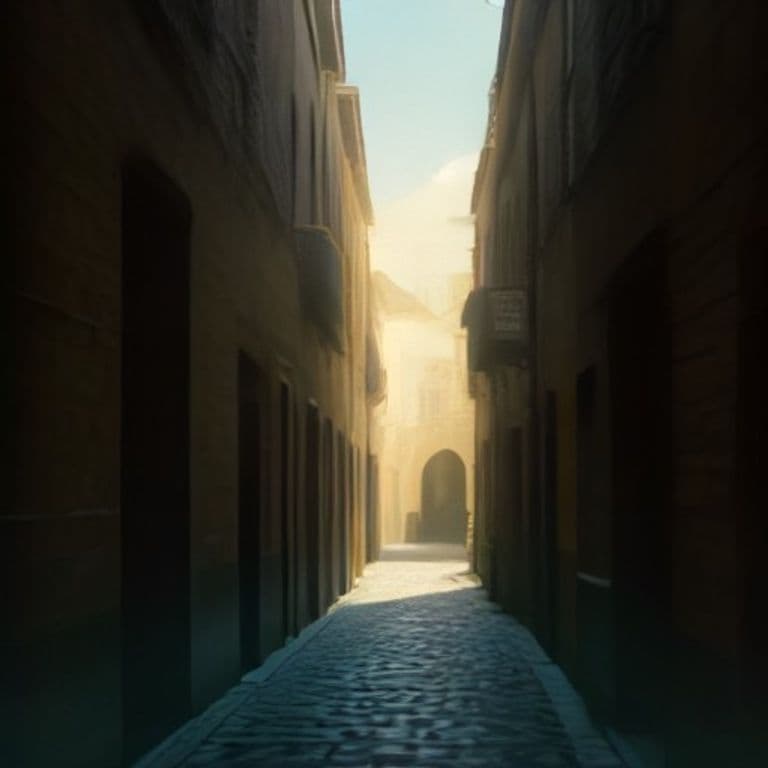
The scent of damp concrete after a rain shower, a faint metallic tang from distant industry, hangs heavy in the air. Sunlight, sharp and low, slices through a narrow alley, illuminating a crumbling brick wall where faded advertising posters whisper forgotten narratives. This is the city not as a grand monument, but as a living palimpsest, constantly rewritten yet retaining its previous inscriptions.
Every scratch on a lamppost, every chip in a painted sign, every scuff mark on a worn doorstep contributes to a vast, ongoing chronicle. These incidental details, often overlooked by the hurried gaze, are the true arteries of urban memory, etched into the fabric of metropolitan life.
Digital photography, with its relentless pursuit of clinical perfection, often sanitizes these nuanced imperfections. It renders reality with hyper-clarity, sometimes sacrificing the very texture of time and the subtle patina that gives these scenes their profound weight.
Analog film, however, embraces the temporal and tangible. Its inherent grain, subtle light fall-off, and organic color shifts conspire to create an image that feels less like a sterile snapshot and more like a captured fragment of a lived experience, resonating with the city’s own organic flow.
The Unseen Layers
Consider the specific qualities of a meticulously developed medium format negative. The profound shifts in shadow, the intricate play of light across grimy brickwork or corroded metal surfaces, are rendered with a warmth and depth digital sensors often struggle to emulate convincingly. There’s a palpable, almost tactile quality to the captured light and texture.
Faded murals on forgotten facades, the ethereal ghost of a neon sign from an establishment long gone, the green patina on an intricately wrought-iron fence – these elements don’t just exist; they actively narrate. Analog photography allows these layered histories and quiet stories to emerge, not as stark facts, but as atmospheric suggestions and evocative echoes.
“The city reveals itself in its fragments, captured not just by light, but by time itself.”
The deliberate, often slower, act of photographing with analog film itself mirrors this contemplative approach. Each frame is considered, each aperture and shutter speed chosen with intention. It fosters a profound slowing down, an attentive gaze that connects the photographer more intimately with their urban environment, encouraging observation over mere documentation.
This deliberate process transforms the photographer from a simple documentarian into a visual urban archaeologist. They are not merely recording what is present but actively unearthing the rich, often hidden, layers of what was, inviting the viewer to contemplate the relentless passage and accumulation of time.
Grain as Memory
The resulting analog images carry a specific gravity, a profound sense of place and history. They often possess a melancholic beauty, an understated grandeur found in the overlooked and the decaying. They speak to the quiet endurance of urban spaces, even as these spaces constantly reinvent and reconfigure themselves.
It’s a visual language that acknowledges impermanence and transformation while simultaneously celebrating the enduring spirit of place. The film’s emulsion becomes a conduit, absorbing the city’s shifting light and profound shadow, preserving its fleeting moments with a unique, almost tactile presence that digital clarity often bypasses.
These photographs are more than just records; they are subjective interpretations, deeply infused with the photographer’s perspective. They invite us to linger, to feel the weight of forgotten history in a peeling poster, the quiet dignity of an aged building, or the silent testament of a worn street. They prompt a deeper, more empathetic engagement with our urban surroundings.
In an increasingly digital and fast-paced world, the enduring appeal of analog urban photography speaks to a profound yearning for authenticity, for something tangible, imperfect, and deeply resonant. It reminds us that profound beauty often resides not in polished perfection, but in the unfinished, the weathered, and the truly lived-in aspects of our cities.
The film grain itself transcends its physical properties, becoming a powerful metaphor – for the countless moments, lives, transformations, and stories that collectively define a city across generations. Through analog’s uniquely textured lens, the urban landscape is not just passively seen; it is profoundly felt, intimately remembered, and perpetually reimagined, holding its secrets in every subtle imperfection.