
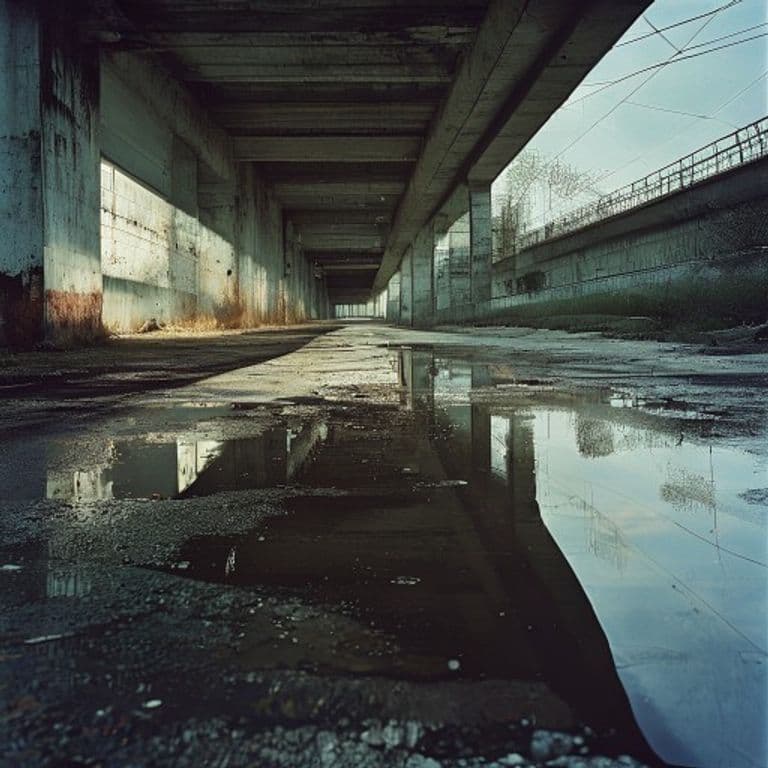
The air hangs heavy with the scent of damp concrete and forgotten dreams, a quiet hum from a distant highway the only witness.
These are the city’s thresholds: abandoned bus stops, forgotten underpasses, the interstitial zones between bustling districts. They exist outside the main narrative, yet hold a potent, almost melancholic beauty, often overlooked in the relentless forward march of urban development.
Analog photography, with its inherent tactility and reverence for light, possesses a unique ability to render these liminal urban spaces. It doesn’t merely record; it imbues them with a sense of enduring presence, a testament to what once was and what quietly persists.
The subtle grain of a medium format film, perhaps a classic Kodak Portra 400 or the muted tones of Fuji Pro 400H, softens harsh edges, lending a painterly quality to industrial decay. This particular aesthetic transforms a crumbling concrete wall into a canvas of textures, each chip, crack, and stain a visceral mark of time’s relentless passage.
We are drawn to these spaces not for what they currently offer, but for the elusive stories they refuse to tell outright. They are visual palimpsests of human activity, whispers carried on the urban breeze, inviting contemplation rather than immediate understanding.
The deliberate process of analog capture—framing, meticulous metering, the suspense of development and printmaking—encourages a slower, more intentional gaze. This meditative engagement with the subject stands in sharp contrast to the instantaneity of digital photography, fostering a deeper appreciation for nuance and ephemeral details.
Light, Shadow, and Memory
Consider the way natural light filters through grimy, broken windows in an empty factory floor. Digital capture might render these scenes with clinical precision, sometimes flattening the emotional impact. Film, however, allows for a nuanced dance of light and shadow, where highlights can gently bloom, and shadows plunge into deep, mysterious pools, echoing the fragmented, uncertain nature of memory itself.
This interplay of illumination is crucial. The soft, diffused light of an overcast day can emphasize the quiet desolation, while a single shaft of direct sunlight cutting through dust reveals forgotten geometries and highlights minute details, transforming a discarded object into a poignant artifact.
Urban explorers and photographers who gravitate towards these evocative sites often seek more than just visual spectacle. They act as informal archaeologists of the immediate past, documenting the architecture of human inertia and the poetic resilience of structure against entropy and neglect.
The frequent absence of human figures in many of these compositions significantly amplifies their evocative power. The viewer is invited to project their own narratives onto these desolate landscapes, becoming an unseen observer in a silent theater of forgotten acts and lingering presences.
The Grain of Time
This aesthetic isn’t about glorifying ruin, but about acknowledging the inherent dignity in decline. It’s an art of finding the sublime in the ordinary, the profound in the overlooked, a challenge to conventional notions of beauty.
The muted color palettes often found in film stocks further enhance this sense of timelessness. Faded blues, desaturated greens, and warm, earthy tones speak of an era untethered to the vibrant, often garish, hues of contemporary digital life, fostering a sense of wistful nostalgia.
The physical act of handling a film camera—the weight, the mechanical click of the shutter, the anticipation of the developed negatives—forges a more intimate connection between the photographer and the scene. This connection translates into images that feel more lived-in, more imbued with the photographer’s personal gaze.
Ultimately, capturing liminal urban spaces on analog film is an act of preservation, a quiet rebellion against rapid erasure and relentless redevelopment. It’s a profound commitment to seeing beauty in the edges, in the hushed narratives that unfold away from the spotlight, inviting us to pause and reflect.
These photographs don’t merely depict locations; they capture an atmosphere, a feeling of suspended time, urging us to look closer at the spaces we pass through daily, but rarely truly see.